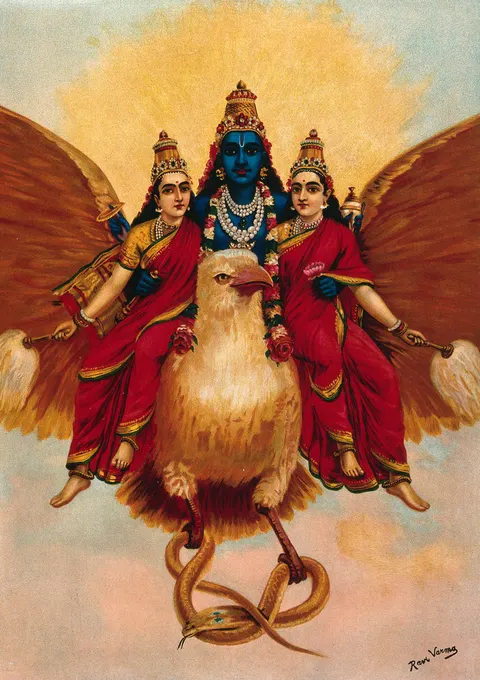
Dev Uthani Ekadashi, also called Prabodhini Ekadashi or Devotthan Ekadashi, is the day Lord Vishnu wakes from his four-month sleep. For the four months of Chaturmas he rests on the serpent Shesha on the ocean of milk; on this Ekadashi of Kartik Shukla Paksha he rises, and with him the season of weddings and new beginnings returns. In 2026, Dev Uthani Ekadashi is on Friday, 20 November, and Tulsi Vivah is celebrated from that evening.
Dev Uthani Ekadashi 2026 date
| New Delhi, 2026 | |
|---|---|
| Ekadashi tithi | 7:16 AM, Fri 20 Nov → shortly before sunrise, Sat 21 Nov |
| Vrat (Smarta) | Friday, 20 November |
| Vrat (many Vaishnava calendars) | Saturday, 21 November |
| Tulsi Vivah | Evening of 20 Nov, or Dwadashi 21 Nov, up to Kartik Purnima (24 Nov) |
This year Ekadashi begins after sunrise on the 20th and ends before sunrise on the 21st, so calendars differ on the fasting day. Go by your family pandit or temple. See all Ekadashi dates for the year.
Why Vishnu sleeps, and why he wakes
On Devshayani Ekadashi in Ashadha (June or July), Vishnu goes into yoga nidra, his cosmic sleep, and the world is said to be in the care of Shiva. These four months, Chaturmas, are a time of vows, simpler food and fewer celebrations; weddings and housewarmings are put off. On Dev Uthani Ekadashi the gods wake him with songs and conch shells, and life’s big ceremonies can begin again. That is why the first great wedding muhurats of the year fall just after it.
How to keep the Ekadashi vrat
- Fast from sunrise: most keep a phalahar fast of fruit, milk and nuts; grains and rice are avoided on every Ekadashi.
- In the evening, draw Vishnu’s footprints in rangoli or with chalk at the puja place, and keep sugarcane, water chestnuts (singhara), sweet potato, seasonal fruit and a diya there.
- Wake the Lord by ringing bells and blowing a conch, singing “Utho Dev, baitho Dev” and Om Jai Jagdish Hare.
- Light lamps in the house and at the Tulsi plant; many families light them all over the home, like a small Diwali.
- Break the fast (parana) the next morning on Dwadashi, after sunrise, with simple food.
Tulsi Vivah at home
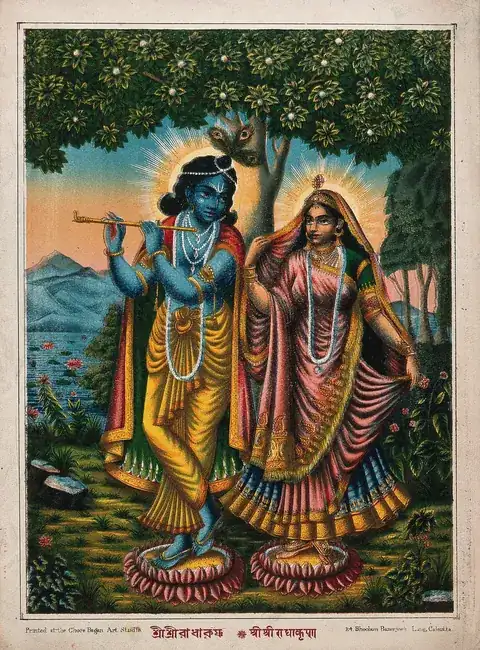
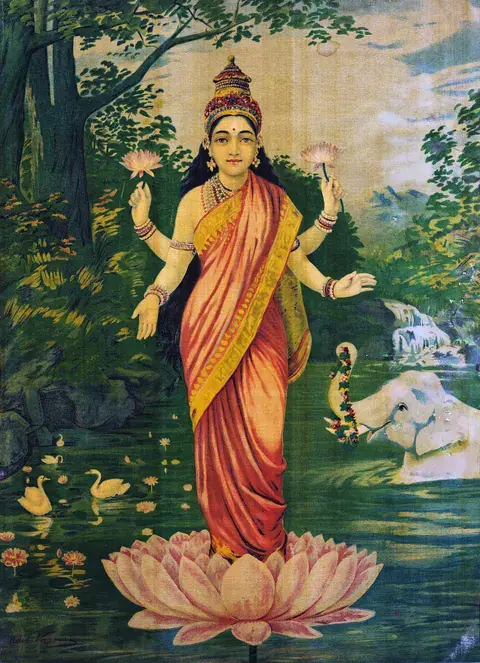
The Tulsi plant is worshipped as Vrinda, a form of Lakshmi. Her marriage to Vishnu, in the form of the Shaligram stone or Krishna, is celebrated like a real wedding.
- Clean the Tulsi pot and decorate it with a red chunri, bangles, bindi and a small mandap of sugarcane.
- Place the Shaligram or a Krishna idol beside the Tulsi.
- Offer haldi, kumkum, flowers and sweets, tie a sacred thread between the two, and perform the phere by carrying the Shaligram around the Tulsi seven times.
- Sing wedding songs and the aarti, and share prasad as at a wedding.
In many homes the “kanyadaan” of Tulsi ji is done by a couple who have no daughter, and it is considered especially auspicious.
What comes next
Four days later is Kartik Purnima and Dev Deepawali (24 November), when Varanasi’s ghats glow with lakhs of lamps. The wedding season that opens now runs until the next Chaturmas.
Frequently asked questions
When is Dev Uthani Ekadashi in 2026?
Dev Uthani Ekadashi falls on Friday, 20 November 2026. Ekadashi tithi of Kartik Shukla Paksha begins at 7:16 AM on 20 November and ends shortly before sunrise on 21 November (New Delhi). Because the tithi is not present at any sunrise this year, some Vaishnava (ISKCON) calendars observe the fast on 21 November instead. Follow your family's calendar.
When is Tulsi Vivah in 2026?
Tulsi Vivah is performed from the evening of Dev Uthani Ekadashi to Kartik Purnima. Many families celebrate it on Ekadashi evening (20 November 2026) and many on Dwadashi (21 November 2026); some temples hold it on Kartik Purnima (24 November 2026).
Why do Hindu weddings start after Dev Uthani Ekadashi?
For the four months of Chaturmas, from Devshayani Ekadashi in Ashadha to Dev Uthani Ekadashi in Kartik, Lord Vishnu is said to sleep on the cosmic ocean. Weddings, griha pravesh and other major ceremonies are traditionally avoided in that time and begin again once he wakes.
What is Tulsi Vivah?
Tulsi Vivah is the ceremonial marriage of the Tulsi plant, worshipped as Goddess Vrinda or Lakshmi, to Lord Vishnu in the form of the Shaligram stone or Krishna. Families decorate the Tulsi like a bride and perform a full wedding, marking the start of the wedding season.