Find your city’s exact time: Diwali 2026 Lakshmi Puja muhurat for 15 cities (New Delhi: 5:55–7:51 PM).
Diwali, or Deepavali (“a row of lamps”), is the festival that lights up every Hindu home. In 2026, Lakshmi Puja falls on Sunday, 8 November. Houses are cleaned and decorated weeks in advance, sweets are made and shared, new clothes are bought, and on the darkest night of the month every doorway glows with diyas.
Diwali 2026 at a glance
| Day | Festival | 2026 |
|---|---|---|
| 1 | Dhanteras (Dhan Trayodashi) | Friday, 6 November |
| 2 | Naraka Chaturdashi (Choti Diwali) | 7–8 November, as per your local panchang |
| 3 | Lakshmi Puja (Badi Diwali) | Sunday, 8 November |
| 4 | Govardhan Puja / Annakut | Tuesday, 10 November |
| 5 | Bhai Dooj | Wednesday, 11 November |
Tithis begin and end at different times of day, so some calendars place Choti Diwali or Bhai Dooj a day apart. Your family pandit or a local panchang will tell you the right day and the exact muhurat for your city.
Why we celebrate Diwali
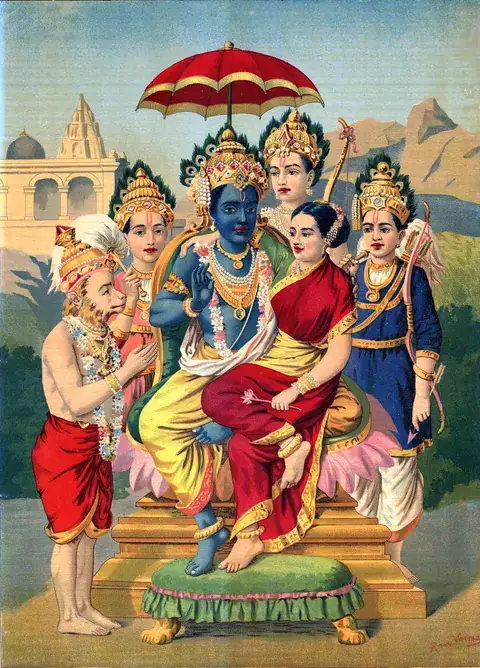
The best-known story is from the Ramayana. After fourteen years in exile and victory over Ravana, Lord Rama returned to Ayodhya with Sita and Lakshmana on the Amavasya of Kartik. The people of Ayodhya lit rows of lamps along every street to guide him home, and we’ve lit them ever since.
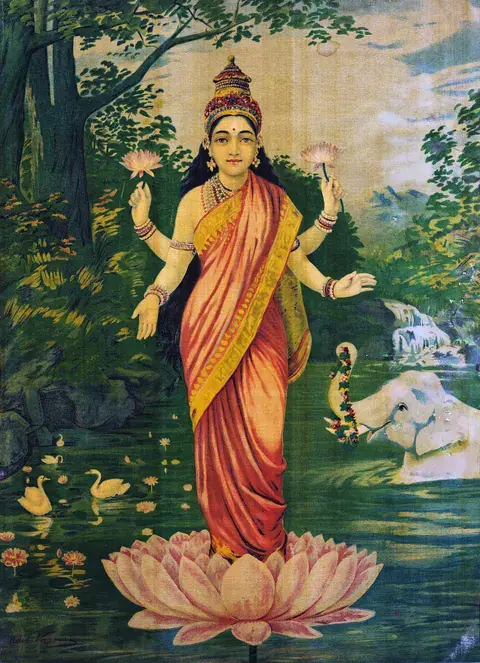
Diwali is also the night of Goddess Lakshmi. It is said that she walks the earth on this Amavasya and enters homes that are clean, lit and welcoming. In South India, the festival celebrates Lord Krishna’s victory over the demon Narakasura; in Bengal, the same night is Kali Puja; for Jains it marks Lord Mahavira’s nirvana; and for many business families Diwali begins the new financial year with the worship of new account books (Chopda Pujan).
The five days of Diwali
Dhanteras. The festival begins with the worship of Dhanvantari, the physician of the gods, and Kuber. People buy gold, silver or a new steel vessel, and light a lamp facing south for Yama at the door in the evening.
Naraka Chaturdashi (Choti Diwali). An early-morning oil bath (abhyanga snan) washes away negativity; a few lamps are lit in the evening.
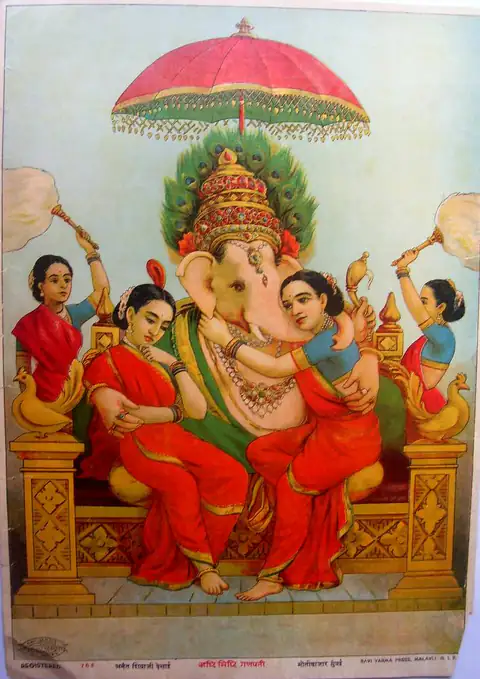
Lakshmi Puja. The main night. After sunset, families perform Lakshmi–Ganesh puja together, light diyas throughout the house, share sweets and, in many homes, burst a few crackers.
Govardhan Puja. Remembering how Krishna lifted the Govardhan hill to shelter the people of Braj from Indra’s storm, families prepare Annakut, a “mountain” of many dishes, as an offering.
Bhai Dooj. Sisters apply tilak to their brothers and pray for their long life; brothers promise to protect their sisters.
Six days after Diwali, families from Bihar and eastern Uttar Pradesh celebrate Chhath Puja, offering arghya to the setting and rising Sun on 15 and 16 November 2026.
Lakshmi Ganesh puja at home, step by step
- Clean the house and the puja area, and make a rangoli at the entrance.
- Set up a chowki (low wooden stool) with a red cloth. Place idols or a picture of Ganesha on the left and Lakshmi on the right as you face them.
- Place a kalash filled with water, with mango leaves and a coconut on top, beside the chowki.
- Light a large ghee diya that will burn through the night, and keep small diyas ready for the house.
- Purify yourself with a few drops of water, and take a sankalp: say your name and your wish for the family’s well-being.
- Worship Ganesha first: offer water, tilak, rice, flowers, durva and a laddoo.
- Then worship Lakshmi: offer water, kumkum, rice, lotus or red flowers, a silver coin, kheel-batashe and sweets. Many families also place their jewellery or account books before her.
- Sing the aarti: the Lakshmi aarti Om Jai Lakshmi Mata, and end with Om Jai Jagdish Hare.
- Light the diyas around the house from the main lamp: the entrance, windows, kitchen, near water and the tulsi plant.
- Share prasad with the family and give sweets to neighbours.
Diwali puja samagri list
Red cloth and a wooden chowki; Lakshmi–Ganesh idols or picture; kalash, mango leaves and coconut; ghee and oil diyas with cotton wicks; kumkum, haldi, chandan and akshat (rice); lotus and marigold flowers, durva grass; kheel, batashe, sweets and fruit; a silver coin; supari, paan leaves and cloves; dhoop and agarbatti; camphor for the aarti; rangoli colours. See the printable checklist on our pooja samagri page.
A gentle Diwali for elders
For many grandparents Diwali is the most loved festival of the year. It’s also the most tiring. Let them lead the puja seated on a comfortable chair; keep the puja area well lit so they can read the aarti; and remember that loud crackers can frighten older people and pets. A calm evening of lamps, aarti and family is the heart of Diwali.
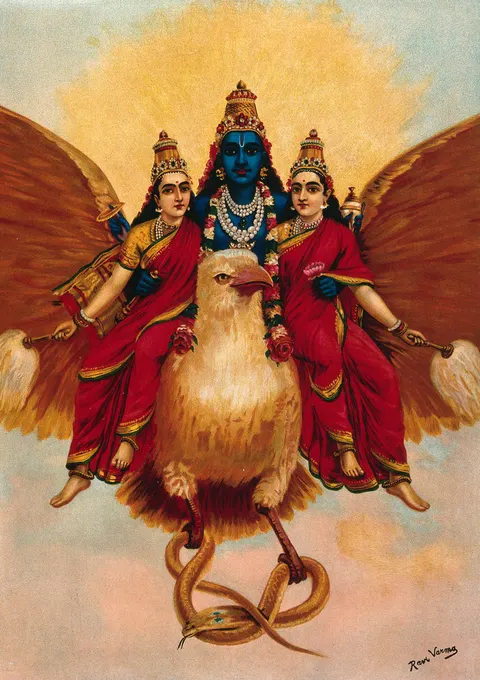
Learn more about Lord Ganesha and Lord Vishnu, Goddess Lakshmi’s consort.
Frequently asked questions
When is Diwali in 2026?
Diwali (Lakshmi Puja) in 2026 falls on Sunday, 8 November, the Amavasya (new moon) of the month of Kartik. The exact puja muhurat depends on your city, so please check a local panchang for the time.
When is Dhanteras in 2026?
Dhanteras, the first day of the Diwali festival, falls on Friday, 6 November 2026. It is considered auspicious for buying gold, silver, utensils and new things for the home.
Why do we celebrate Diwali?
Diwali celebrates Lord Rama's return to Ayodhya after fourteen years of exile and his victory over Ravana. The people of Ayodhya lit rows of lamps to welcome him. It is also the night when Goddess Lakshmi is worshipped for prosperity, and in different regions it marks Krishna's victory over Narakasura and the new year.
Which gods are worshipped on Diwali?
Goddess Lakshmi and Lord Ganesha are worshipped together on Diwali night: Ganesha first, for wisdom and the removal of obstacles, and then Lakshmi, for prosperity. Many families also worship Kuber, the treasurer of the gods, and Goddess Saraswati.
How many diyas should be lit on Diwali?
There is no fixed number. Many families light an odd number such as 11, 21 or 51, placing them at the entrance, in the puja room, in the kitchen, near water sources and at every window, so that no corner of the home stays dark.