Satyanarayan Katha: All 5 Chapters, Puja Vidhi and Samagri
11 October 2026 · World of Hindus
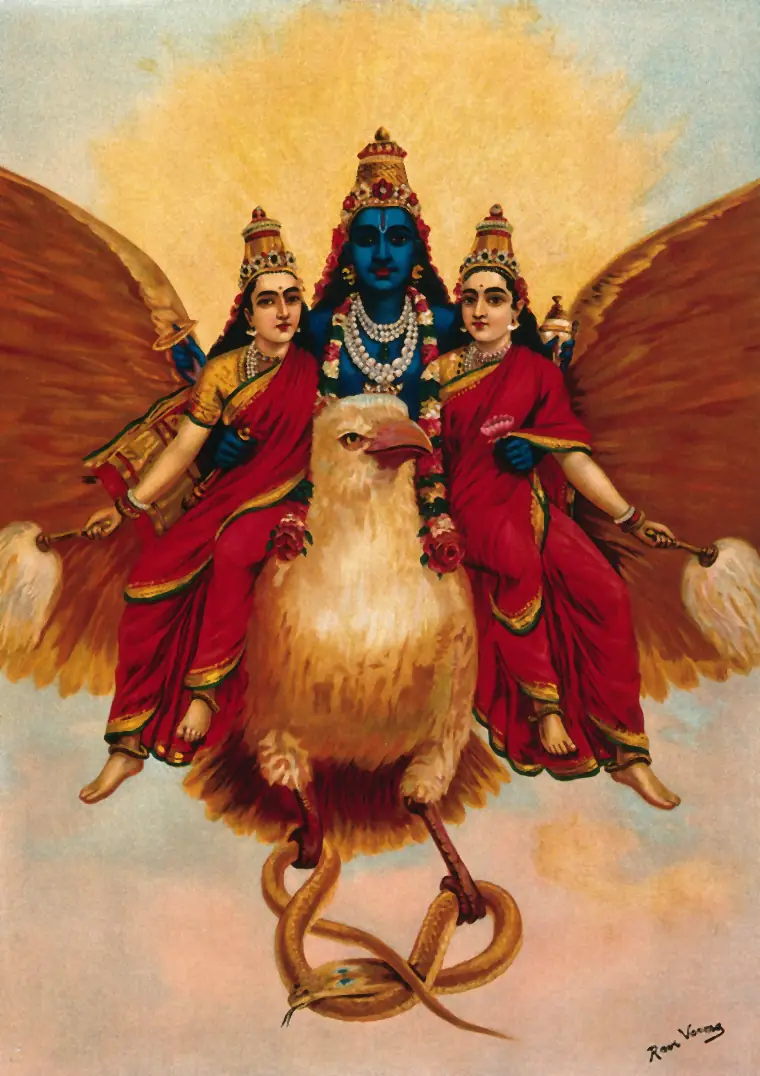
Satyanarayan Puja is the thanksgiving puja to Lord Vishnu as Satyanarayan, “Narayan who is Truth”. Families hold it on Purnima, for a griha pravesh, a wedding or a new beginning, or simply to give thanks. At its heart is the Satyanarayan Katha, five short chapters from the Skanda Purana, read aloud while the family sits together, followed by aarti and the much-loved sheera prasad.
Satyanarayan Katha at a glance
| Deity | Lord Vishnu as Satyanarayan |
| Source | Skanda Purana, Reva Khanda |
| Chapters | 5 (adhyay) |
| Best days | Purnima, Ekadashi, Sankranti, Thursdays; any auspicious occasion |
| Prasad | Sheera / panjiri, panchamrit, banana, tulsi |
| Aarti | Om Jai Jagdish Hare |
| Next Purnimas | 26 Oct (Sharad Purnima), 24 Nov (Kartik Purnima), 23 Dec 2026; 22 Jan, 20 Feb, 22 Mar 2027 |
The katha, chapter by chapter
Chapter 1: Narada’s question
Wandering through the world, the sage Narada saw people suffering and asked Lord Vishnu how ordinary people, in the age of Kali, could find relief. Vishnu told him of the Satyanarayan vrat: worship him with devotion and truth, with simple offerings, in the company of family and friends, and share the prasad. Whoever does it is freed from sorrow and finds peace in this life.
Chapter 2: The poor Brahmin and the woodcutter
In Kashi lived a poor Brahmin, Shatananda, who begged for a living. Vishnu himself, disguised as an old Brahmin, told him of the puja. Shatananda performed it with what little he had, and his poverty ended. A woodcutter who saw the puja asked about it, performed it with the money from selling his wood, and he too prospered.
Chapter 3: The merchant’s broken promise
King Ulkamukh was performing the puja by a river when a merchant, Sadhu, asked what it was. He vowed to perform it if he were blessed with a child. A daughter, Kalavati, was born, but he kept postponing his vow: first till her marriage, then till his next voyage. On that voyage, he and his son-in-law were falsely accused of theft and thrown into prison by King Chandraketu, and at home his wife and daughter fell into poverty.
Chapter 4: The forgotten prasad
Kalavati’s mother performed the puja at home, and the merchants were released. Sailing home, Sadhu lied to an ascetic (the Lord in disguise) that his boat carried only creepers and leaves, and his treasure turned into exactly that. Begging forgiveness, he got it back. But when they reached home, Kalavati, in her joy to see her husband, ran to the shore without taking the prasad, and his boat sank before her eyes. Only when she returned, took the prasad and prayed did the boat rise again.
Chapter 5: King Tungadhwaj
King Tungadhwaj, returning from a hunt, saw cowherds performing the puja under a tree. Too proud to bow or accept their prasad, he rode on, and lost his sons and his wealth. Realising his mistake, he went back, worshipped with the cowherds, took the prasad humbly, and everything was restored. The katha ends: those who perform the vrat with faith find happiness here and liberation hereafter.
What the katha teaches
Three lessons repeat through the five stories: keep your promises to God (Sadhu’s delays), never neglect or refuse prasad (Kalavati and Tungadhwaj), and devotion matters more than wealth (the Brahmin and the woodcutter worship with almost nothing). Truth, satya, is the god being worshipped.
Satyanarayan puja samagri
A wooden chowki with a red or yellow cloth; a picture of Satyanarayan or Vishnu; a kalash with water, mango leaves and a coconut; banana leaves or stems for a small mandap; panchamrit (milk, curd, ghee, honey, sugar); tulsi leaves; roli, haldi, chandan, akshat; flowers and garlands; fruits (especially bananas); betel leaves and supari; a ghee diya, incense and camphor; and the prasad ingredients. See our puja samagri checklist.
Satyanarayan puja vidhi, step by step
- Bathe, clean the puja place and set up the chowki facing east, with the banana-leaf mandap.
- Place the kalash and light the diya. Worship Ganesha first, then the navagraha and the kalash.
- Take the sankalp with water in your hand: your name, the date and your reason for the puja.
- Bathe the image or shaligram with panchamrit, then water; offer clothes, sandalwood, flowers, tulsi, fruit and the naivedya.
- Read the five chapters of the katha, with the family listening. Many families ring a bell or blow a conch at the end of each chapter.
- Perform the aarti with Om Jai Jagdish Hare, then pradakshina.
- Distribute the prasad to everyone present, and to neighbours. No one should leave without it.
How to make the sheera prasad
Roast one cup of fine sooji (or wheat flour) in half a cup of ghee on a low flame until golden and fragrant. Add one cup of sugar, two cups of warm milk, and two sliced ripe bananas; stir until it thickens and leaves the pan. Finish with cardamom, cashews, raisins and a few tulsi leaves. Offer it first to the Lord, then share.
Sources: Skanda Purana, Reva Khanda (Satyanarayan vrat katha); Purnima dates computed by World of Hindus for New Delhi. Image: Raja Ravi Varma chromolithograph, Wellcome Collection, CC BY 4.0.
Frequently asked questions
How many chapters (adhyay) are there in Satyanarayan Katha?
The Satyanarayan Katha has five chapters (adhyay). It comes from the Reva Khanda of the Skanda Purana, as told by the sage Suta to the sages of Naimisharanya, beginning with Narada's question to Lord Vishnu.
When should Satyanarayan Puja be done?
It can be done on any day, but Purnima (full moon) is the most traditional, followed by Ekadashi and Sankranti. Families also hold it for a griha pravesh, a wedding, a new job or vehicle, a birthday, or simply to give thanks. The next Purnimas are 26 October, 24 November and 23 December 2026.
What is the prasad of Satyanarayan Puja?
The traditional prasad is sheera (sooji or wheat flour roasted in ghee with sugar, milk, banana and dry fruits), also called panjiri in the north, along with panchamrit and a tulsi leaf. The katha itself warns never to refuse or neglect the prasad.
Who is Lord Satyanarayan?
Satyanarayan is Lord Vishnu as the embodiment of truth (satya). The puja is a promise to live truthfully and to keep one's word, and the katha's stories show what happens to those who forget a vow made to God.