Putrada Ekadashi 2027: Dates, Vrat Katha and Puja Vidhi
11 October 2026 · World of Hindus
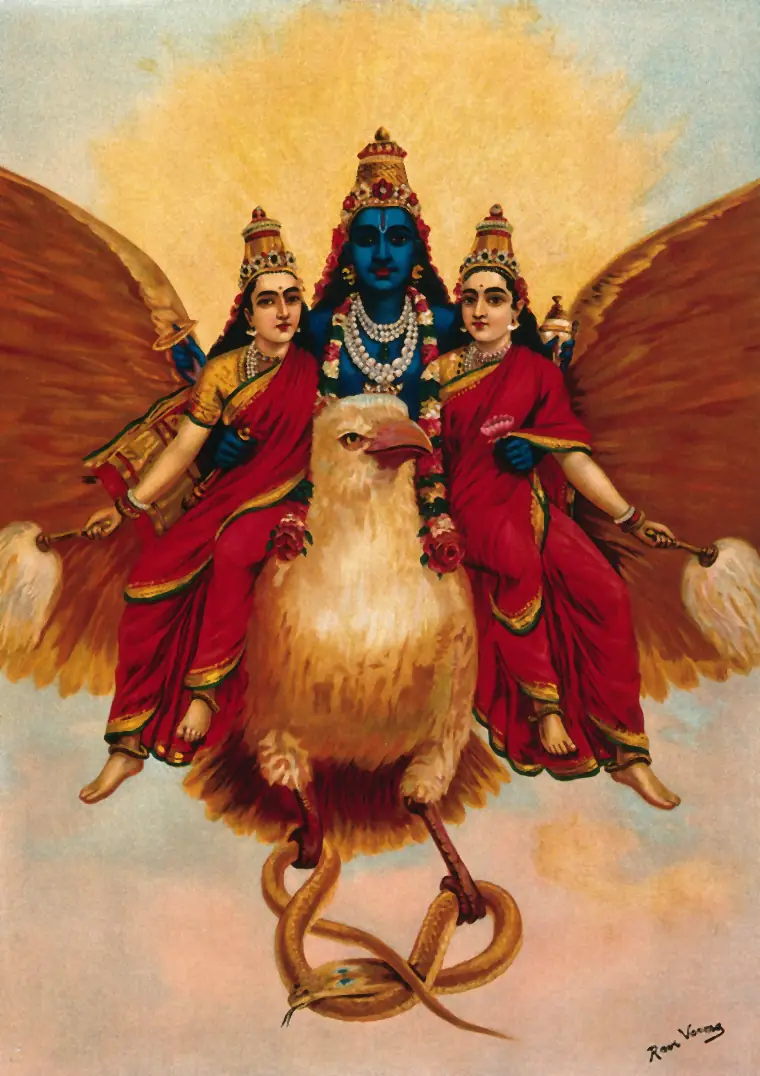
Putrada Ekadashi is the Ekadashi on which couples pray to Lord Vishnu for the blessing of a child; putrada means “giver of children”. It comes twice a year, in Pausha (December–January) and in Shravana (July–August). In 2027 they fall on Tuesday, 19 January and Thursday, 12 August.
Putrada Ekadashi 2027 dates
| Pausha Putrada Ekadashi | Shravana Putrada Ekadashi | |
|---|---|---|
| Date | Tuesday, 19 January 2027 | Thursday, 12 August 2027 |
| Ekadashi tithi | 10:27 AM, 18 Jan → 7:49 AM, 19 Jan | 12:59 AM, 12 Aug → 2:59 AM, 13 Aug |
| Parana (breaking the fast) | Wed, 20 Jan, after sunrise | Fri, 13 Aug, after sunrise |
| Also called | Vaikuntha Ekadashi falls nearby in the South | Pavitropana Ekadashi |
Calculated for New Delhi by World of Hindus; see all Ekadashi dates for the year. Vaishnava calendars can differ by a day.
The Putrada Ekadashi vrat katha
In the city of Bhadravati ruled King Suketuman and Queen Shaibya. They were good and generous rulers, but they had no child, and the king grieved that no one would offer pind to his ancestors or rule after him. Heartbroken, he rode alone into the forest and came to a lake where sages were bathing. When he bowed and told them his sorrow, they told him that it was Pausha Shukla Ekadashi, the Putrada Ekadashi, and that if he and his queen kept the fast with devotion to Vishnu, his wish would be granted. The king returned and kept the vrat with Shaibya, and in time a radiant son was born to them, who grew up to be a righteous king.
For Shravana Putrada Ekadashi, the Puranas tell of King Mahijit of Mahishmati, also childless, whom the sage Lomasha told that a sin from a past life stood in the way; when the king and his people kept this Ekadashi, the obstacle was removed and a son was born.
How to keep the Putrada Ekadashi vrat
- On Dashami (the day before), eat one simple sattvic meal before sunset, without rice.
- On Ekadashi, bathe early and take the sankalp together, as a couple if you are praying for a child.
- Worship Vishnu (or Bal Gopal, the child Krishna): offer tulsi, yellow flowers, panchamrit, fruit and a lamp; chant ॐ नमो भगवते वासुदेवाय 108 times or the Vishnu Sahasranama.
- Read or listen to the katha above, and sing Om Jai Jagdish Hare.
- Fast on fruit and milk, or nirjala if you are able; spend the night in bhajan if you can.
- On Dwadashi, after sunrise, feed a Brahmin or someone in need, then break the fast (parana) with simple food.
A gentle note: the fast is a prayer, not a medical treatment. Couples facing difficulty conceiving should also see a doctor; faith and good medical care go together.
More on Ekadashi
Every Ekadashi is sacred to Vishnu; see the Ekadashi dates for the year on our panchang, and read about Dev Uthani Ekadashi, when Vishnu wakes after Chaturmas.
Sources: Padma Purana and Bhavishya Purana (Putrada Ekadashi mahatmya); dates computed by World of Hindus for New Delhi. Image: Raja Ravi Varma chromolithograph, Wellcome Collection, CC BY 4.0.
Frequently asked questions
When is Putrada Ekadashi in 2027?
There are two Putrada Ekadashis each year. In 2027, Pausha Putrada Ekadashi falls on Tuesday, 19 January, and Shravana Putrada Ekadashi on Thursday, 12 August (New Delhi). On 19 January, Ekadashi lasts from 10:27 AM on the 18th to 7:49 AM on the 19th, so it is the tithi at sunrise on the 19th.
Why is it called Putrada Ekadashi?
Putrada means "giver of sons" (today understood as giver of children). The Padma and Bhavishya Puranas tell how King Suketuman and Queen Shaibya, childless for years, were blessed with a son after keeping this fast, so couples hoping for a child keep it.
What is eaten on Putrada Ekadashi?
Like every Ekadashi, no grains or rice are eaten. Fruits, milk, curd, nuts, sabudana, potatoes, singhara and kuttu flour and sendha namak are allowed. Some keep it nirjala (without water). The fast is broken the next day (Dwadashi) after sunrise, within the parana time.
Which is the bigger Putrada Ekadashi, Pausha or Shravana?
North Indian calendars give special importance to Pausha Putrada Ekadashi (December–January), while Shravana Putrada Ekadashi (July–August), also called Pavitropana Ekadashi, is more widely observed in South and West India. Both have the same purpose and katha.