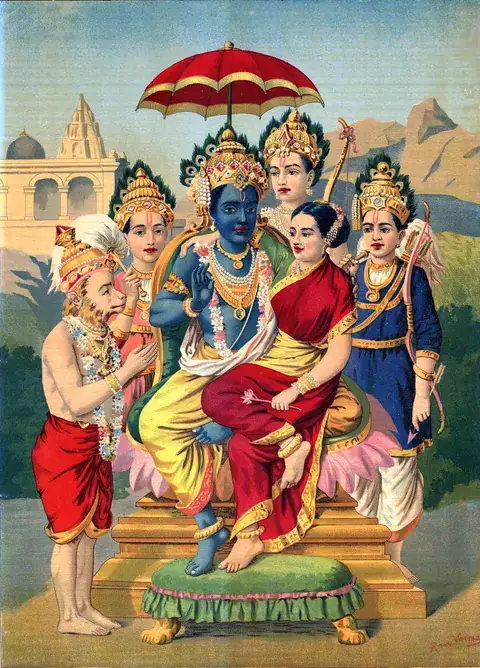
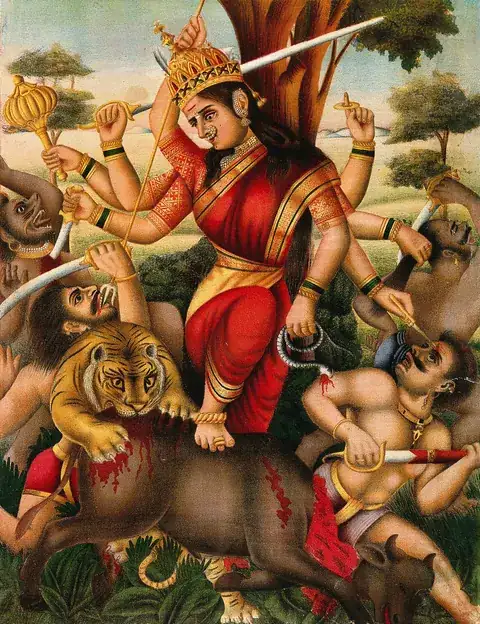
Dussehra, also called Vijayadashami, is the tenth day that follows the nine nights of Navratri. It celebrates victory: of Lord Rama over Ravana, and of Goddess Durga over the buffalo-demon Mahishasura. Across North India, towering effigies of Ravana, Meghnad and Kumbhakarna go up in flames at dusk as crowds shout “Jai Shri Ram”.
Dussehra 2026 date
In New Delhi, Dashami tithi runs from 12:50 PM on Tuesday, 20 October to 2:12 PM on Wednesday, 21 October. Vijayadashami is kept on the day Dashami covers the aparahna, the early-afternoon part of the day, which is Tuesday, 20 October for most calendars. Maha Navami falls the same morning. Some regional calendars observe Dussehra on 21 October, so go by your family panchang.
The stories behind the day
Rama and Ravana. After Ravana carried away Sita, Rama and his army crossed to Lanka. Before the final battle, Rama worshipped the goddess for nine days; on the tenth he killed Ravana. Ramlila performances through Navratri retell the whole Ramayana and end with Ravan Dahan on Dussehra evening.
Durga and Mahishasura. The goddess fought Mahishasura for nine days and killed him on Dashami. In Bengal this is Bijoya Dashami, when the Durga idols are immersed and families visit each other with sweets.
The Pandavas. At the end of their exile, Arjuna recovered the weapons hidden in a Shami tree on Vijayadashami, which is why weapons and the Shami tree are worshipped today.
How to observe Dussehra at home
- Aparajita puja: in the afternoon, draw an eight-petalled lotus on the floor and worship Goddess Aparajita, “the undefeated”, for victory in the coming year.
- Shastra puja: clean and worship your tools of work: weapons in warrior families, and today books, pens, laptops, account books, vehicles and kitchen tools. Apply tilak, tie mauli and offer flowers.
- Shami puja: offer water and a diya at a Shami tree, circle it, and bring home a few leaves.
- Break the Navratri fast if you haven’t already, and share sweets.
- In the evening, watch the Ravan Dahan with family, then visit elders to touch their feet and exchange leaves or sweets.
Dussehra across India
Delhi, Uttar Pradesh and the north hold Ramlila and Ravan Dahan. Kullu Dussehra in Himachal begins on Vijayadashami and lasts a week, with deities carried in from the valley’s villages. Mysuru Dasara in Karnataka ends with the Jamboo Savari elephant procession. In Bengal it is Bijoya Dashami and the sindoor khela; in Maharashtra people exchange Apta leaves as gold; and in Kerala and the south, children begin their learning (Vidyarambham) with the letters written in rice.
Frequently asked questions
When is Dussehra in 2026?
Dashami tithi begins at 12:50 PM on Tuesday, 20 October 2026 (New Delhi) and ends at 2:12 PM on Wednesday, 21 October. Vijayadashami is observed on the day Dashami covers the afternoon (aparahna), so most calendars keep Dussehra on Tuesday, 20 October; some regional calendars choose 21 October. Follow your local panchang.
Why is Dussehra celebrated?
Dussehra celebrates two victories of good over evil. Lord Rama killed the demon king Ravana on this day, and Goddess Durga destroyed Mahishasura after a nine-night battle. The name Dussehra comes from "dasha hara", the defeat of the ten-headed one.
What is Shami puja on Dussehra?
The Pandavas are said to have hidden their weapons in a Shami tree during their year of exile and recovered them on Vijayadashami. People worship the Shami tree on Dussehra and, in Maharashtra and Karnataka, exchange Apta or Shami leaves as "gold" (sona) with wishes for prosperity.
Is Dussehra a good day to start something new?
Yes. Vijayadashami is one of the three and a half most auspicious days of the year (sade teen muhurat), when no separate muhurat is needed. People buy vehicles and property, begin new ventures, and children start learning (Vidyarambham).